The Problem:
The system remains intact, despite generations of investing for impact
Investors have been trying to shape the world with capital since the 18th century when Quakers and Methodists refused to profit from slavery and tobacco.
In the 1960s and 70s, divestment movements around the Vietnam War and the Civil Rights movement sought to exclude capital from weapons manufacturers and boycott racist companies. Socially Responsible Investing (“SRI”) and community development finance became mainstream in the 1990s, with a focus on investing in low-income communities and delivering social benefits.
Twenty years later the term “impact investing” was coined to describe capital allocations that intentionally created a social or environmental benefit. Today the total capital allocated for impact exceeds $1.5 trillion; yet the climate and biodiversity crises are unabated.
Capital invested for impact must acknowledge its limitations and take a new approach.

Unpriced, systemic risk threatens even high-impact portfolios
Climate change, biodiversity loss, and increasing social unrest and volatility represent three systemic risks to the global economy.
Taken together, these three global challenges are expected to reduce global GDP by up to 60% by 2050, equivalent to a 3-5% annual drag on returns to today’s investments.
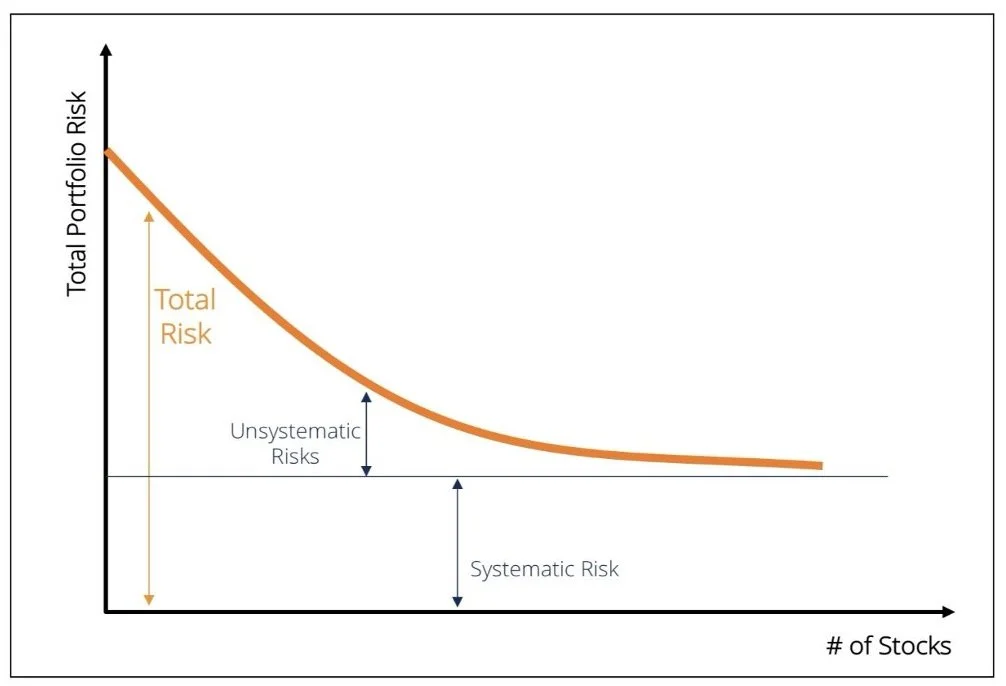
Investors seeking net-zero and nature-positive investments may remove these risks from their own portfolios, but they remain a systemic risk to the entire market.
This “beta risk” is unpriced and cannot be fully mitigated through traditional portfolio screening/allocation strategies.
Why conventional approaches fall short
Traditional forms of impact investing fail to approach impact from a systems change approach:
ESG investing measures risk to companies, not risk from companies
Divestment removes exposure but doesn’t reduce real-world harm
Market-rate impact strategies deliver meaningful results but only at the margins of the existing system
A growing number of family offices and foundations are taking this systematic approach to investing: Sierra Club Foundation, Ceniarth, Builders Vision are a few names on a growing list.
Two Loops Advisory can help you join this group. To learn more about how you can take this approach, contact us.